
Guía local de Elche: negocios y empresas, cultura, rutas y planes
¡Bienvenid@ a TodoElche.com, el portal donde descubrirás lo mejor de Elx/Elche! Explora sus rutas, patrimonio, gastronomía y rincones imprescindibles.
Artículos Recientes

Mejores academias de inglés en Elche: 10 centros recomendados
Aprender inglés es una de las mejores inversiones que podemos hacer en nuestra formación, tanto para mejorar nuestras oportunidades profesionales como para viajar, estudiar en el extranjero o desenvolvernos con mayor soltura en situaciones cotidianas. Afortunadamente, existe una amplia oferta de academias de inglés en Elche, con metodologías y programas…
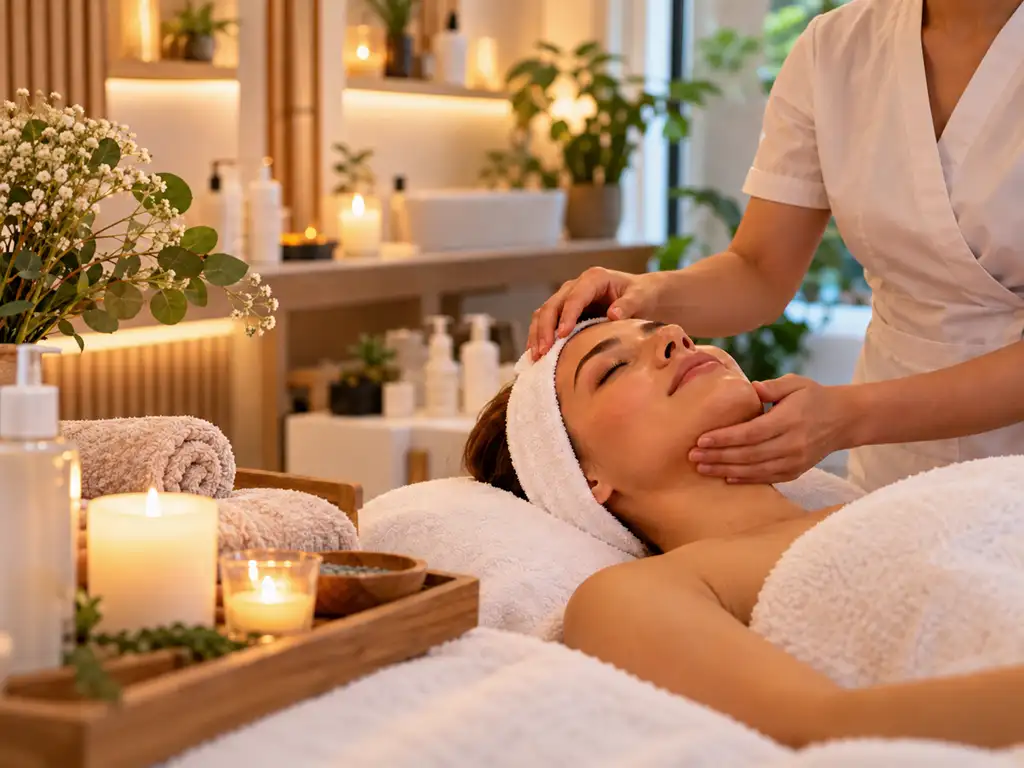
Mejores 9 Centros de Estética en Elche: tratamientos faciales y corporales
Los mejores centros de estética en Elche: tratamientos faciales, corporales, belleza y bienestar. Encuentra tu centro ideal.

Los mejores centros de yoga en Elche: dónde practicar según tu estilo
Centros de yoga en Elche: descubre estudios de Yoga Iyengar, Hatha, yoga dinámico, aéreo y Hot Yoga y encuentra el que mejor encaja contigo.

Las mejores floristerías de Elche: flores, ramos y decoración para cada ocasión
Selección de las mejores floristerías de Elche para comprar flores, ramos, plantas, regalos o contratar decoración floral para bodas y eventos.

Psicólogos en Elche: 11 profesionales y centros recomendados
Mejores Psicólogos en Elche: selección de profesionales y centros especializados en psicología de adultos, infancia, pareja, ansiedad y otras áreas.
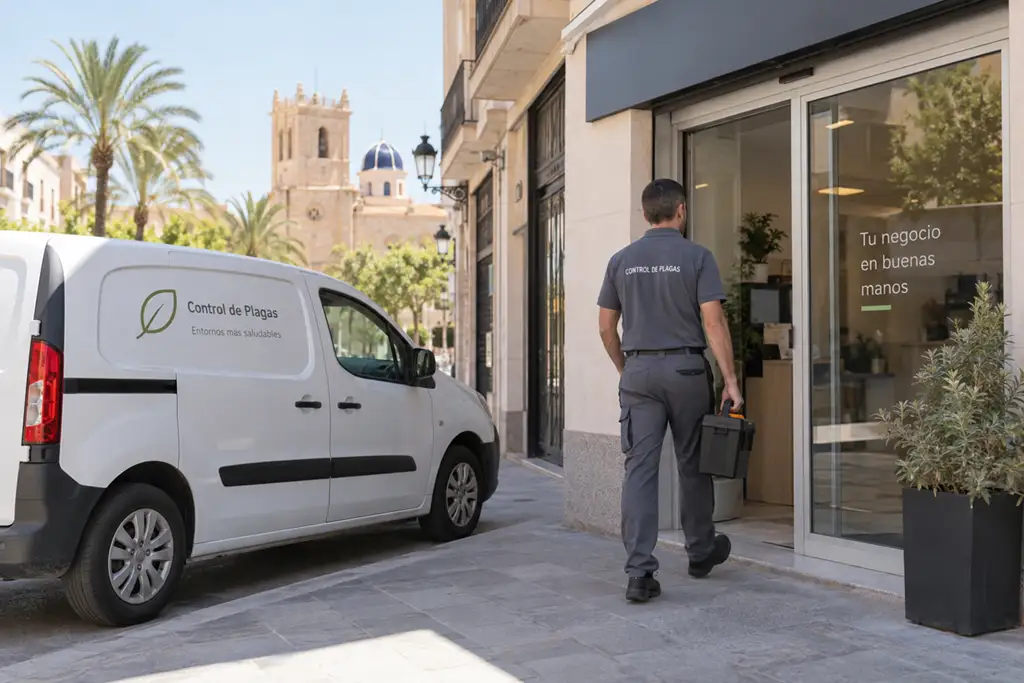
Mejores empresas de control de plagas en Elche
Selección de empresas de control de plagas en Elche con buena valoración, experiencia y tratamientos para hogares, comunidades y negocios.

Las mejores peluquerías de Elche: salones recomendados y especialidades
Descubre algunas de las mejores peluquerías de Elche, sus especialidades, servicios, precios orientativos y qué salón elegir según lo que buscas.

Las 10 mejores Imprentas de Elche: impresión digital, offset y artes gráficas
Encuentra las mejores imprentas de Elche para impresión digital y offset, packaging, catálogos, etiquetas, gran formato y rotulación profesional.

Mejores 8 Podólogos y Clínicas de Podología en Elche
¿Buscas podólogo en Elche? Consulta nuestra selección de clínicas destacadas, especialidades, tratamientos, precios orientativos y contacto.
Artículos Destacados

Vera de Plomo: un atelier con alma donde el arte se convierte en encuentro, color y esperanza
Vera de Plomo impulsa en Elche un atelier creativo con obra original, talleres, vino y arte como espacio de encuentro y transformación.

La Plaza by Borja: el restaurante de Torrellano que firma una de las mejores hamburguesas de Elche y Alicante
La Plaza by Borja sorprende en Torrellano con una de las mejores hamburguesas de Elche y Alicante. Calidad, trato cercano y gran cocina.

Librería Ali i Truc: cinco años de un nuevo capítulo con David Reche al frente
Próxima al medio siglo de historia en Elche, la emblemática librería Ali i Truc celebra 5 años de su último capítulo con David Reche al frente.

Hernández Espí: la heladería de Elche donde el sabor auténtico es tradición familiar
Heladería Hernández Espí en Elche: Cuatro generaciones de sabor artesanal. Descubre cómo las jóvenes María y Elena rescatan la tradición con auténticos helados.
Rutas, turismo y más

Ruta al Clot del Diable desde Elche: un sendero sostenible junto al Vinalopó
Ruta fácil al Clot del Diable desde Elche, siguiendo el río Vinalopó. Un paseo sostenible y familiar con pasarelas, vegetación y patrimonio hidráulico.

El Clot de Galvany, un oasis de biodiversidad en Elx / Elche
Visitamos El Clot de Galvany, Paraje Natural Municipal que alberga un humedal de gran valor ambiental, con una variada fauna avícola y ecosistemas amenazados.

El Huerto del Cura, el jardín botánico de Elche que no deberías pasar por alto
Adéntrate en El Huerto del Cura de Elche, un espectacular jardín botánico que te sorprenderá con sus exóticas palmeras y su historia centenaria. Visita imprescindible.

La Ruta Roja del Parque Natural El Fondo, «Embalses de Poniente y Levante»
La Ruta Roja del Parque Natural del Fondo es un itinerario de dificultad baja que que permite conocer los dos embalses del humedal y disfrutar con la observación de aves.

7 Rutas de Elche para descubrir su patrimonio natural y cultural
Senderos en Elche que conectan con su historia y naturaleza. Descubre paisajes áridos, caminos milenarios y rincones ocultos entre palmeras y barrancos.

24 Lugares imprescindibles que ver en Elche y alrededores
Desde el centro histórico a los espacios naturales, descubre los imprescindibles que ver en Elche.

El Cau, un «museo al aire libre» en plena sierra ilicitana
Visita El Cau en Elche: un curioso «museo» al aire libre con esculturas que celebran la tradición ilicitana en una antigua cantera.